 Writers at Sleep Authority are supported by a research team conducting in-depth research about the topics. The editorial team reviews them for accuracy and facts to ensure the most authentic and accurate content is published. Sleep Authority does not offer any medical advice, and you should not rely solely on our content for your course of treatment. Consult your medical professional to discuss any health concerns, chronic conditions, treatment options, or diagnoses.
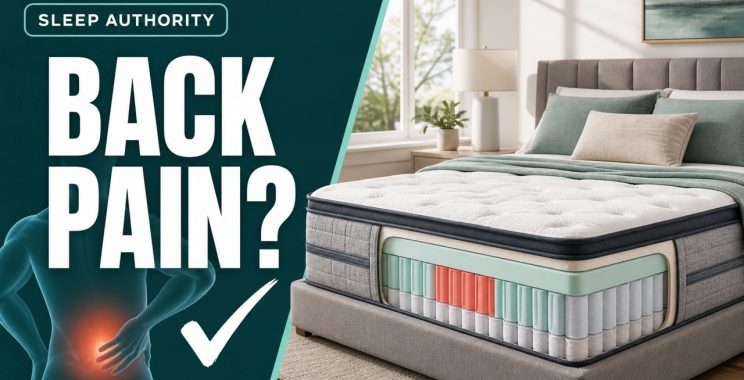
2026 Back Comfort Guide
The best mattress for back pain in 2026 typically balances medium-firm support with enough contouring to ease pressure at the shoulders and hips. The goal is a more neutral spinal posture through the night—not the hardest surface in the store, and not a marshmallow sink that lets the midsection collapse.
Below, we expand Sleep Authority’s video guidance into tables, checklists, and a firmness infographic you can use while comparing models—including why the Nectar Premier Hybrid is featured as a hybrid-support pick.
Important
A mattress can reduce pressure-related discomfort and morning stiffness for many people, but it is not a diagnosis or treatment. Seek clinical care for severe, radiating, post-traumatic, or progressive pain.
Table of Contents
- Quick answer for back-pain shoppers
- Watch: firmness, support, top pick
- Firmness science and the 5–7 zone
- Firmness sweet-spot infographic
- Materials comparison table
- Zoned lumbar support
- Sleep position matching table
- Featured pick: Nectar Premier Hybrid
- Trials, adaptation, and when to return
- Red flags in old mattresses
- Frequently asked questions
- Key takeaways
Quick answer for back-pain shoppers
Watch: firmness, support, top pick
The video covers firmness effects, alignment vs. pressure relief, material differences, zoned lumbar support, sleep-position fit, and trial/warranty evaluation.
Firmness science and the 5–7 zone
Firmness is a feel scale. On a typical 1–10 continuum, many back-pain sleepers land near medium to medium-firm. Softer beds can let the pelvis drop and extend the lumbar curve awkwardly. Ultra-firm beds can spike pressure and cause tossing—especially for side sleepers.
Body weight shifts the effective feel: lighter sleepers experience a given bed as firmer; heavier sleepers experience more sink. Always interpret firmness through your weight and primary position.
Firmness sweet-spot infographic
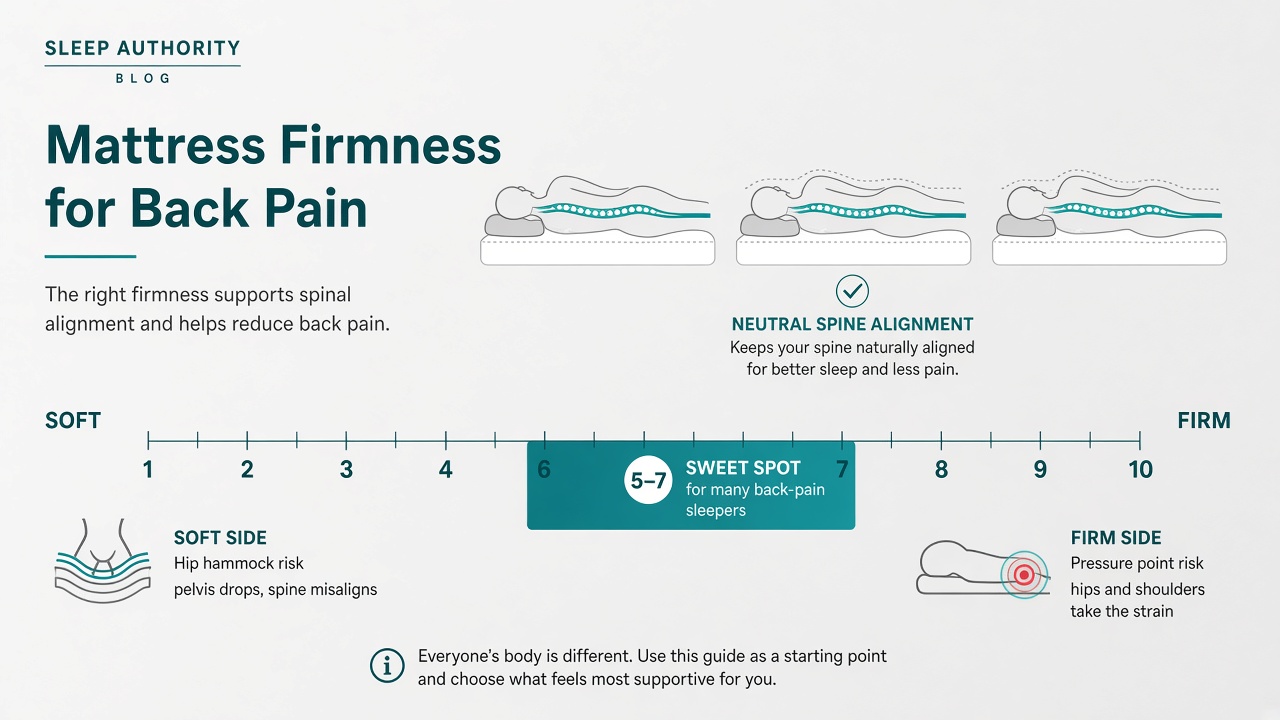
| Range | Feel | Common back-pain issue if mismatched | Who might still like it |
|---|---|---|---|
| 1–3 Soft | Deep contour | Hip hammocking / lumbar strain | Very light side sleepers (sometimes) |
| 4–5 Medium | Balanced | May lack pushback for stomach sleepers | Average-weight side/combo sleepers |
| 6–7 Medium-firm | Supportive | Too firm for some bony side sleepers | Most back-pain starting searches |
| 8–10 Firm | Hard | Pressure points, poor shoulder comfort | Some stomach sleepers |
Materials comparison table
| Material | Support behavior | Pressure relief | Motion | Back-pain notes |
|---|---|---|---|---|
| All-foam | Depends on core density | High | Absorbs motion | Good contour; verify support core |
| Hybrid | Coils resist hammocking | Mod–High | More responsive | Strong default category |
| Latex | Buoyant resilience | Mod–High | Easy turning | Great if you dislike deep sink |
| Innerspring | Surface support | Lower unless upgraded | Bouncy | OK for backs; sides need cushion |
Zoned lumbar support
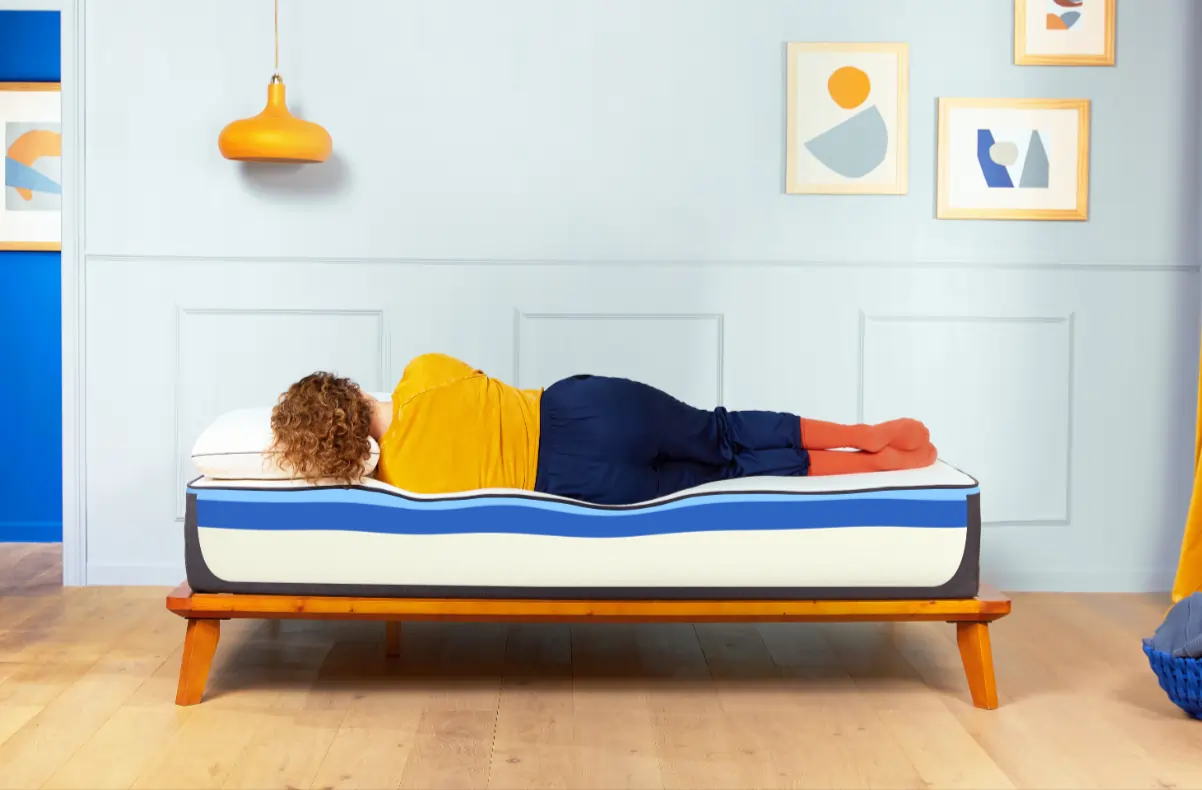
Zoned designs firm up the midsection and allow relatively more give at shoulders and hips. That pattern helps keep the waist from dipping on your side and the lumbar region from flattening unsupported on your back. It is especially useful for combination sleepers who change positions overnight.
Alignment quick check
- ✓ Side sleeping: waist gap is small, not cavernous
- ✓ Back sleeping: hips do not sink into a deep U
- ✓ You can roll without feeling stuck in a crater
- ✓ Morning stiffness trends down over 1–3 weeks
Sleep position matching table
| Position | Target feel | Helpful features | Avoid |
|---|---|---|---|
| Back | Medium-firm | Lumbar zoning, hybrid coils | Deep plush hip sink |
| Side | Medium to medium-firm with cushion | Pressure-relief foam/latex | Rock-hard surfaces |
| Stomach | Firmer / flatter | Low sink comfort layers | Tall soft pillow tops |
| Combination | Responsive hybrid | Easy mobility, zoned support | Slow sticky foam |
Featured pick: Nectar Premier Hybrid
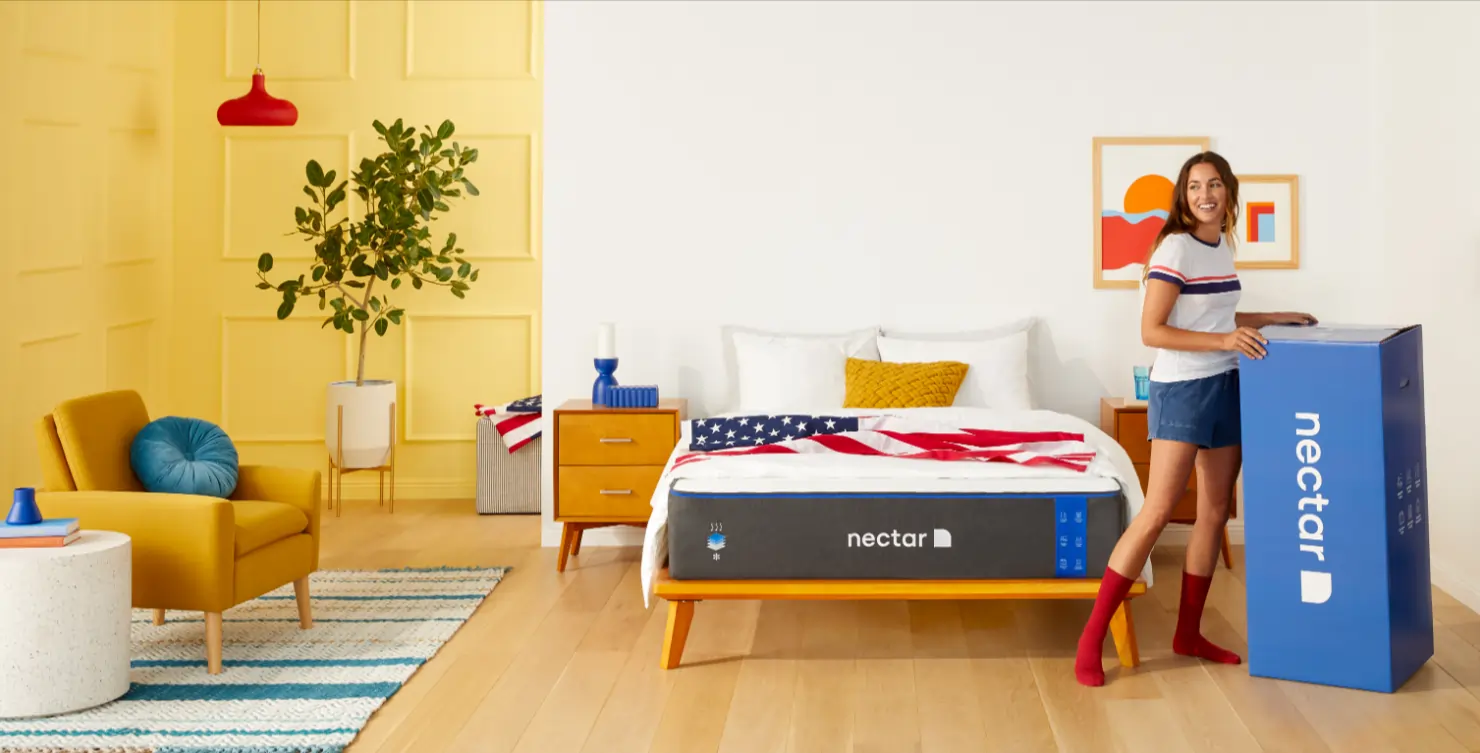
Sleep Authority’s video features the Nectar Premier Hybrid for shoppers who want coil-backed support with contouring comfort—the category traits that often help back-pain sleepers more than ultra-soft all-foam beds. Individual fit still depends on body weight, position, and preference for sink versus bounce.
Disclosure: Sleep Authority is brought to you by Resident, the company behind Nectar and related brands. Use the criteria in this guide to evaluate any mattress—including Resident models—on support, pressure relief, trial terms, and warranty.
Trials, adaptation, and when to return
- Expect an adjustment period when leaving a sagging bed.
- Track mornings: stiffness, hotspot pain, and sleep continuity.
- Keep pillow height matched to your primary position.
- If pain worsens after a fair trial window, use the return policy.
- Warranty covers defects, not preference—read both documents.
Red flags in old mattresses
- Visible hammocking or body impressions deeper than about an inch
- Support core that feels collapsed in the center third
- Waking with pain that eases after being up and moving
- Partner rolls creating a lasting trench
A topper can mask minor surface wear. Structural sag usually needs replacement.
Frequently asked questions
Is firmer always better for back pain?
No. Medium-firm with real support beats extra-firm for most people.
Can a mattress cure back pain?
No. It may reduce pressure-related discomfort; it is not a cure.
How long should I test?
Multiple weeks inside the trial, with consistent nights.
Do I need zoned coils?
Not mandatory, but helpful if your waist dips or lumbar feels unsupported.
Key takeaways
- Start around medium-firm and tune for position/weight.
- Hybrids are a strong default category for many back-pain sleepers.
- Alignment and pressure relief must coexist.
- Use the video, firmness infographic, and trial period together before you commit.
Educational companion to Sleep Authority’s back-pain mattress video—not medical advice.